

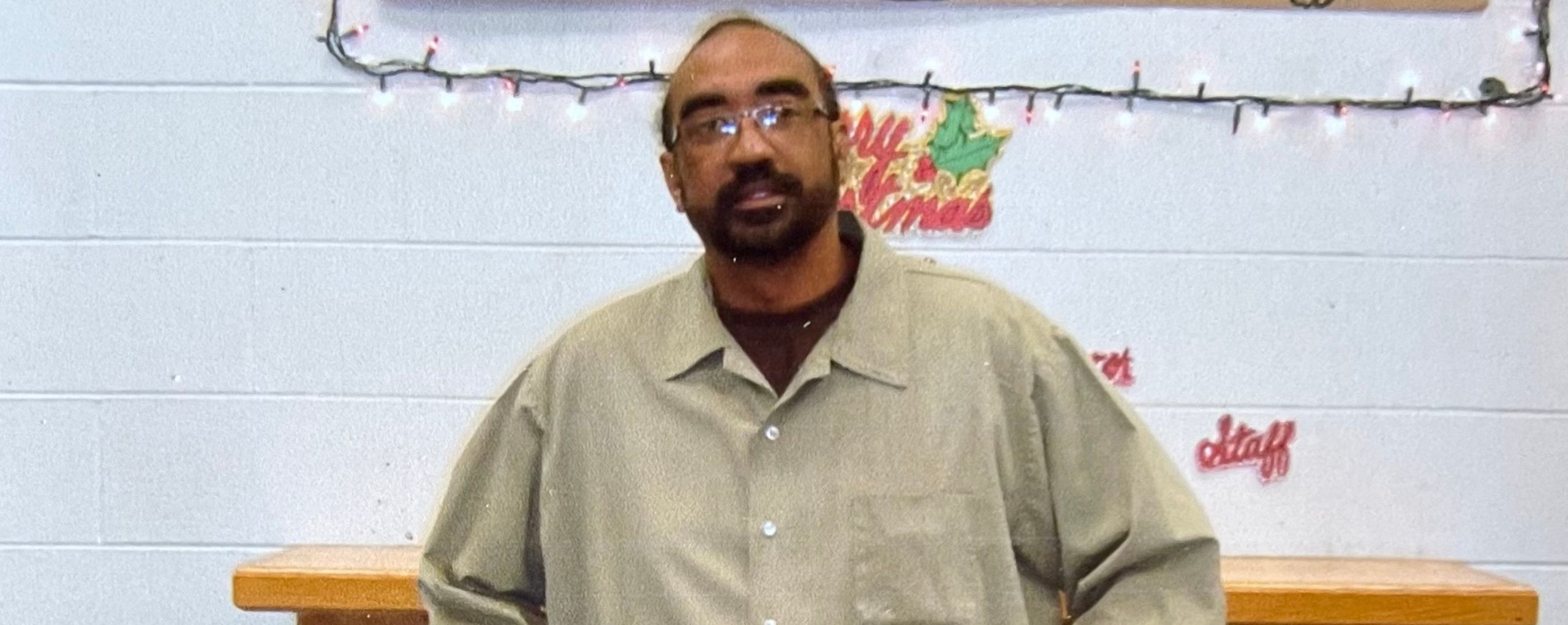

While legal cannabis generates billions of dollars and is widely celebrated nationwide, Tennyson Harris, remains behind bars serving decades in prison for a nonviolent cannabis conviction.
Sentenced in 2003 to serve 27 years in federal prison plus 10 years of supervised release, Harris has spent more than 25 years incarcerated, nearly half his life. When he first walked into the high-security prison, Tennyson believed a mistake had been made.
“As the days turned into months,” Harris recalls, “I knew I had to acclimate and adapt to my new reality.”
That reality became finding hope in a hopeless situation. Harris describes his life in prison as both mundane and challenging, guided by official rules and unspoken codes. One of the greatest challenges has been balancing those expectations while striving to become the best version of himself inside a system actively working against him.

Faith in God and his family has helped keep him grounded over the years.
As a father and grandfather, Harris has had to watch and hear about his family’s life and meaningful moments from behind bars. Although he’s incarcerated, he stays in constant contact with his daughters.
“My eldest daughter taught me to love unconditionally,” he says. “My youngest taught me to persist regardless of the odds.”

Recreational cannabis is now legal in New York, the state where he once lived, and the industry continues to find success and generate an unfathomable amount of money in legal revenue nationwide. Learning about those changes from prison was surreal.
“I am thrilled to know that so many others will not have to endure the long, harsh punishment I am bearing.”
But Harris recognizes the disparity at the center of cannabis reform: while states profit from legalization, many people convicted under older laws remain incarcerated. For him, true justice means clemency for people serving long sentences for nonviolent cannabis offenses and a meaningful opportunity to begin their own lives post-release.
Last Prisoner Project (LPP), a national nonprofit dedicated to freeing people incarcerated for cannabis offenses, has heard stories like Harris’ for too long. The organization works with people still serving excessive sentences long after public attitudes and laws around cannabis have changed. Harris describes LPP’s support as offering relief and humanity in a system designed to strip away both.

As he approaches the final years of his sentence, Harris constantly imagines a life rebuilt outside prison walls. While he spent most of his life living on Long Island, he’s a Jamaican citizen and, once released, will face deportation back to Jamaica. Having already served more than two decades in prison, he now faces a new obstacle, further separation from his family, and the lifelong consequences of cannabis criminalization after a sentence ends.
“I may be physically confined,” he says, “but I find myself mentally free.”
Cannabis justice does not stop at legalization. It must go the extra step and include freedom for people still incarcerated under outdated laws that the country no longer believes in.


